

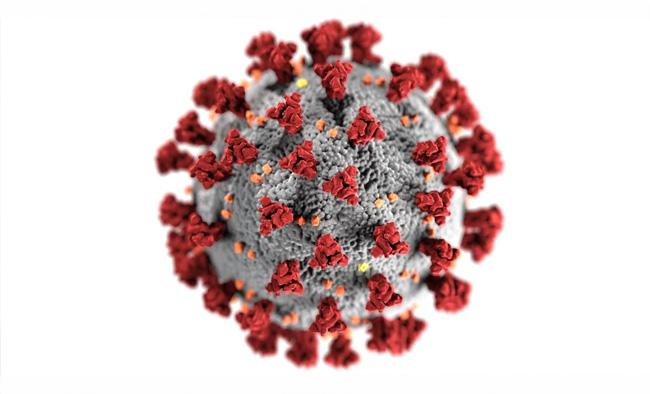
This article was originally published in April 2020, during the early weeks of the COVID-19 lockdown. It’s been updated with the perspective that only comes after the fact.
April 2020 was the first full month of lockdown for most of Europe and the Americas. Nobody knew how long it would last, what it actually meant, or how it would end. Schools had closed without a plan for reopening. Streets that were normally full were empty. The news changed daily, and most of it was guesswork dressed up as information.
This article was first published that month, with a simple piece of advice: write a diary. You were living through something historic, and it was worth putting on the page.
That advice still holds. But there’s something now that wasn’t available then: distance. And with distance, it’s possible to see what journaling during the pandemic actually produced — for the people who did it, and for the people who didn’t.
What writing during the pandemic actually captured
A diary written during the pandemic captured something no other source can capture in quite the same way: what that period felt like from the inside, in real time, before anyone knew how it would end.
News articles described events. History books, when they get written, will analyze causes and consequences. But neither can reproduce what it was actually like not to know whether the supermarket would have flour tomorrow, whether you’d be able to hug your parents again, or how much longer any of it would go on.
An entry written during those weeks has exactly that — not the analyzed version, but the lived one, with the specific worries of that day, the small reliefs, the uncertainties that now have answers but didn’t then. Someone writing in March 2020 didn’t know there would be a vaccine within the year, or which restrictions would lift first, or how long “two weeks” would actually turn out to mean.
That’s information memory can’t preserve faithfully. Memory rewrites the past in light of what happened afterward — it smooths over the not-knowing, because the answer is now obvious and it’s hard to remember a time before it was. A diary keeps the earlier version: what something felt like before the outcome arrived. What you actually get from writing things down is often exactly this — not a record of facts, but a record of a state of mind that no longer exists anywhere else.
What those diaries reveal now
Anyone who kept a diary during the pandemic now has something specific: a record of what that time was actually like, written from inside it, before distance had a chance to reorganize it.
Rereading those entries now produces an effect that few other kinds of rereading do — the sensation of stepping back into a state of mind that no longer exists. The worries from back then that now have answers. The fears that turned out to be justified, or didn’t. The hopes that came true, or quietly didn’t, and were never mentioned again.
It also reveals smaller things: what an ordinary day of lockdown actually looked like. What you missed, and what you discovered you didn’t miss as much as you expected. How your routines shifted — the small adjustments that felt temporary at the time and, in some cases, never fully reversed.
No book or documentary about the pandemic can give you that. Only the diary can — written at that moment, by that specific person, about a day that otherwise left no trace. In a sense, every entry from that period was already a letter to whoever would eventually read it again — including the future self living in whatever came after the crisis, even if that wasn’t the intention at the time.
What it says about writing during hard times in general
The pandemic was an extreme case, but the principle it illustrates is general: difficult periods are exactly when writing is most worth doing.
Not necessarily because it helps in the moment — though it can — but because difficult periods produce the kind of material that turns out to matter most once they’re over. A personal crisis, a period of major change, a stretch of sustained uncertainty — anything that feels different from the normal flow of your days generates exactly the kind of writing that rewards rereading later: how you thought before you knew, how you felt before it resolved, what mattered then that doesn’t matter the same way now.
Difficulty isn’t a reason to skip writing. If anything, it’s a specific reason to do it. The discomfort that makes a period hard to write about honestly is often the same thing that makes the entry worth having later — which is part of why honesty is the only real condition journaling has, and it matters most precisely when honesty is least comfortable.
What it produced for those who didn’t write
There’s another side to this. Anyone who didn’t keep a diary during the pandemic now has a version of that period that memory has been quietly reorganizing ever since.
That’s not a failure. Most people weren’t keeping a diary in 2020, and the pandemic was disorienting enough that picking up a new habit was, for most people, low on the list. But something specific is no longer recoverable: what those weeks actually felt like at the time, before anyone knew how it would end, and before memory edited the story.
The Diary of Merer is the extreme version of this idea — a 4,500-year-old work log that survived almost by accident, and that now holds information about its period that no other source has. Nobody decides in the moment which records will turn out to matter. That’s usually only visible afterward, which is exactly why it’s worth writing things down before you know.
How to use a diary during the next difficult period
Not as advice for the pandemic specifically — as advice for whatever comes next, because difficult periods weren’t a one-time event. A few things are specifically worth writing down when a period feels different from the normal flow of your days.
- What you don’t know yet. The specific uncertainties of that moment, before they’re resolved. This is what you’ll be most glad you wrote down once the answers arrive — because once they do, it becomes almost impossible to remember not having them.
- The ordinary parts of an extraordinary stretch. What a normal day actually looks like inside the difficult period — the adjusted routines, the small workarounds, the things you did just to keep going. This is exactly what history books and news coverage never capture.
- How you feel, not just what’s happening. The facts can usually be reconstructed afterward. The experience of living through them can’t. Seeing how far you’ve come depends on having an honest record of where you started — and a difficult period, recorded as it happens, is exactly that starting point.
This article was first published in April 2020, with a simple piece of advice.
The pandemic ended. What was left, for the people who wrote, is a record of what that time was actually like from the inside — something no other source can give. Difficult periods end. What gets written during them doesn’t.
If you’re curious about what it actually means to keep that kind of record — not just during a crisis, but as a habit — our piece on what it means to be a diarist goes further into it. And if you’re starting now, idazery is a quiet place to keep writing whatever comes next.
Ready to start writing through whatever comes next?
idazery gives you a private space to keep a record — through ordinary weeks and difficult ones alike. Use it for 30 days. If it’s not for you, I’ll give you your money back.
See idazery’s Plans →