

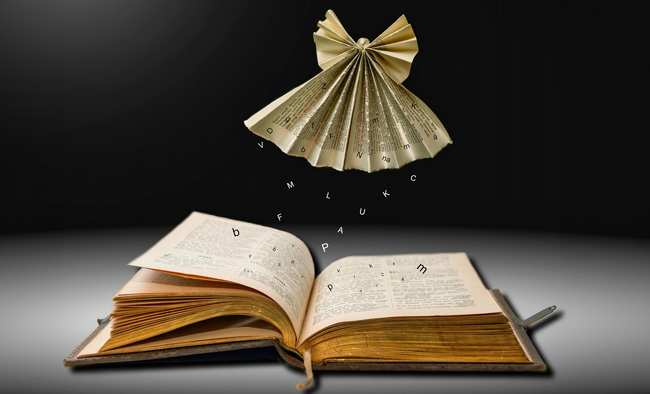
A diarist is someone who writes regularly in a personal diary.
The word “diarist” sounds like it belongs to someone else — a writer from another century with a leather-bound notebook, or a historical figure whose private pages eventually ended up in a museum. In reality, it just means someone who writes regularly in a personal diary.
You don’t need literary talent, a perfect daily streak, or anything dramatic to write about. The real question isn’t “am I good enough to be a diarist” — it’s “do I write to understand myself better?” If the answer is yes, even occasionally, you’re probably closer to being a diarist than you think.
This article looks at what actually defines a diarist, what some of history’s best-known diarists have in common, the quiet signs you might already be one, and — if you’re not yet — how to start.
What is a diarist?
Strip away the romantic image, and a diarist is simply someone who writes regularly in a personal diary — not to publish, not to perform, but to think.
“Regularly” doesn’t mean daily, and it doesn’t mean for years without a gap. It means writing is something you come back to, again and again, as part of how you process your life — not a one-off experiment you tried during a hard week and then forgot about.
The difference between “someone who has a diary” and “a diarist” is mostly habit and intention. Plenty of people own a notebook with three entries from two years ago. A diarist is someone for whom writing has become a recurring way of dealing with what’s happening — even if the entries are short, messy, or skip weeks at a time.
There’s no quality bar to clear. A diarist doesn’t need to write well, write often, or write about anything significant. What defines a diarist isn’t the writing itself — it’s the relationship they have with it: a place they return to, not a project they’re trying to finish.
What makes someone a diarist?
They write to think, not to remember
Many people assume a diary’s main job is to record what happened — a log for later. Diarists tend to use it differently: the diary is where they work out what they think, not just what they did.
An entry about a difficult conversation isn’t only a record that it happened. It’s often where the diarist figures out how they actually feel about it — something they hadn’t fully realized until they started writing. The diary works less like a filing cabinet and more like a sounding board.
They value privacy over audience
Diarists don’t write for readers — including their future selves, often. The privacy of the page is what makes the honesty possible. Entries can be unfair, repetitive, or simply wrong about things, because nobody is judging them while they’re being written.
This isn’t secrecy for its own sake. It’s a precondition: knowing no one else will read it is what lets a diarist write a sentence they’d never say out loud, and then sit with what that sentence reveals.
They return to their entries
Rereading isn’t optional for a diarist — it’s part of the practice. Going back to an entry from a few months ago and thinking “I didn’t realize I felt that way” or “I was so worried about this, and it didn’t matter at all” is part of what a diary is for.
This is also where a diary becomes more useful over time. The first few entries are just entries. After a year, they’re a record of how you actually thought — which is often very different from how you remember thinking.
They write through the ordinary, not just the exceptional
Maybe the clearest distinction: a diarist doesn’t wait for something noteworthy to happen. An ordinary Tuesday — a meeting that went fine, a conversation that’s still bothering you slightly, a decision you’re not sure about — is just as valid an entry as a major event.
In fact, most of what turns out to be useful to reread later comes from these ordinary entries, not the dramatic ones. Big events get remembered anyway. It’s the small, easily-forgotten details and reactions that a diary is best at keeping.
Famous diarists and what we can learn from them
Some of history’s best-known writers were, first and foremost, diarists — and what they wrote wasn’t originally meant for anyone but themselves.
Anne Frank’s diary is one of the most-read books in the world, but it began as a private teenager’s diary, not a manuscript. Virginia Woolf kept a diary for most of her adult life, using it to work through both her writing and her state of mind, in entries that range from ordinary domestic notes to some of her sharpest observations. Anaïs Nin filled decades of notebooks with an unfiltered record of her inner life, returning to them again and again as both a writer and a reader of her own past.
None of them sat down to write “as a diarist.” They wrote because it was useful — to think, to process, to remember — and it was the habit, sustained over years, that eventually made the writing valuable, both to them and, later, to readers.
That’s the common thread worth taking from them: the value didn’t come from any single entry being remarkable. It came from showing up regularly, writing honestly, and letting the diary become a long, ongoing record rather than a single finished piece.
If you’re curious what this kind of writing actually looks like, our collection of inspiring diary excerpts includes real entries from Anne Frank, Virginia Woolf, Anaïs Nin and others — short enough to read in a few minutes, and a useful reminder that even the most celebrated diarists were just writing for themselves.
Signs you might already be a diarist
Some of these will sound familiar if writing is already part of how you process things:
- When something significant happens — good or bad — your first instinct is to write it down, often before you’ve decided what to think about it.
- Rereading old entries surprises you. You find opinions, worries or feelings you’d completely forgotten, and sometimes barely recognize as your own.
- Writing helps you figure out how you feel, not just record it. You often start an entry not knowing what you think, and know by the end.
- A few days without writing feels noticeably different — not guilt exactly, just something slightly out of place.
- Your diary knows things about you that you’ve never said out loud to anyone — not because they’re shameful, just because they never needed to be spoken.
If two or three of these sound familiar, you’re probably already further into this than you realized. “Diarist” isn’t a club with an entry exam — it’s just a name for something you may already be doing.
How to become a diarist (if you aren’t one yet)
Start with one honest sentence
You don’t need a full paragraph, let alone a page. One sentence that’s actually true — “I’m more annoyed about this than I’m willing to admit” — does more than three paragraphs written to sound reflective. The honesty is what matters, not the length.
Write for yourself, not for a reader
It’s tempting, especially at first, to write as if explaining yourself to someone — adding context, justifying reactions, making sure it “makes sense.” A diary doesn’t need any of that. You already know the background. Write as if no one will ever read it — because for it to work, that has to be true.
Don’t wait for something worth writing about
The diarists worth learning from didn’t wait for dramatic material. An average day is enough. If nothing happened, write about that — what an ordinary day actually felt like is often more interesting in hindsight than it seemed at the time.
Choose a tool you’ll actually open
Paper works for plenty of people: it’s tactile, private by default, and there’s nothing to set up. The tradeoff is that it’s easy to lose, hard to search, and easy to forget about once it’s out of sight.
A digital diary solves that second part: it’s on your phone, it’s searchable, and it’s backed up automatically. If you want a deeper look at getting started — where to write, what to write about, and how to keep going — our guide on how to write a personal diary covers it in detail. idazery is built specifically for this: a private daily timeline that’s ready to write in the moment you sign up, with nothing to configure first.
Why keeping a diary makes you a better thinker
Writing forces a kind of clarity that thinking alone doesn’t. A thought that feels complete in your head often falls apart, or reveals a gap, the moment you try to put it into a sentence. That’s not a flaw in the thought — it’s what writing is for. It catches things that pure thinking lets slide.
Over time, this adds up to more than any single entry. Months of entries start to show patterns: the same worry recurring under slightly different names, decisions you keep almost-making, moods that track more closely with sleep or work than you’d assumed. None of this is visible from inside any one day — it only shows up once there’s a record to look back on.
This is part of why idazery builds mood tracking and a planner directly into the same timeline as your entries, instead of as separate tools — writing, planning and noticing patterns are really the same practice, just viewed from different angles. A diary isn’t only where you record your life. Over time, it becomes one of the clearest tools you have for understanding it.
If parts of this article felt familiar — if you recognized yourself in how diarists think, or in the signs above — you probably already have your answer. The label doesn’t change what you’re already doing; it just gives it a name.
If you’re not there yet, the first step isn’t committing to a habit, a streak, or a particular kind of diary. It’s writing one honest sentence today. For more on turning that into something that lasts, see our guide on creating a journaling habit — and when you’re ready, idazery gives you a private space ready to write in from day one.
Ready to find out if you’re a diarist?
idazery gives you a private diary ready to write in from the moment you sign up — no setup, no blank templates to configure first. Use it for 30 days. If it’s not for you, I’ll give you your money back.
See idazery’s Plans →